Top Beginner Skateboard Tips: Start Riding with Confidence
Diving into skateboarding can be simple and safe with the right start. Our essential beginner skateboard tips will show you how to pick your board, strap on safety gear, and hit the pavement with your first push. From choosing the right deck to learning how to brake, we’ve got your basics covered—no fluff, just the key steps to get you skating with ease.
Key Takeaways
- Choose the right skateboard with the help of local skate shop experts, pay attention to deck size and material, and select wheels suitable for your skating style and terrain.
- Safety first! Always wear protective gear including a properly fitting helmet and pads. Mastery of basics like standing, pushing off, and stopping safely is crucial for enjoying skateboarding.
- Practice is essential for improvement. Start with simple tricks like the tic-tac, don’t be discouraged by falls, and connect with the skateboarding community to find your style and progress.
Selecting Your First Skateboard at a Local Skate Shop

The thrill of picking out your first skateboard mirrors the exhilaration of selecting your initial car. This moment signifies the start of uncharted adventures! Visiting a local skate shop is a great way to get started. Fellow skaters can offer invaluable advice on selecting the right skateboard that matches your needs.
The right complete skateboard should feel like an extension of your body, providing smooth rides and thrilling experiences. With the right gear, beginner skaters can turn any parking lot or pavement into their personal playground on a quality skateboard.
Deck Selection: Size Matters
Choosing an appropriate deck size can be compared to discovering a perfectly fitting shoe. Your deck size affects your ride, your control, and your ability to perform tricks. Wider boards provide stability and a smoother ride when you’re going fast, while smaller boards are more nimble, making tricks and maneuvers easier.
The material of the deck also plays a crucial role in your skateboarding experience. For instance, Canadian maple is a top pick due to its toughness and overall performance. So, whether you’re a regular or goofy foot skater, size matters in deck selection.
The Right Wheels for the Ride
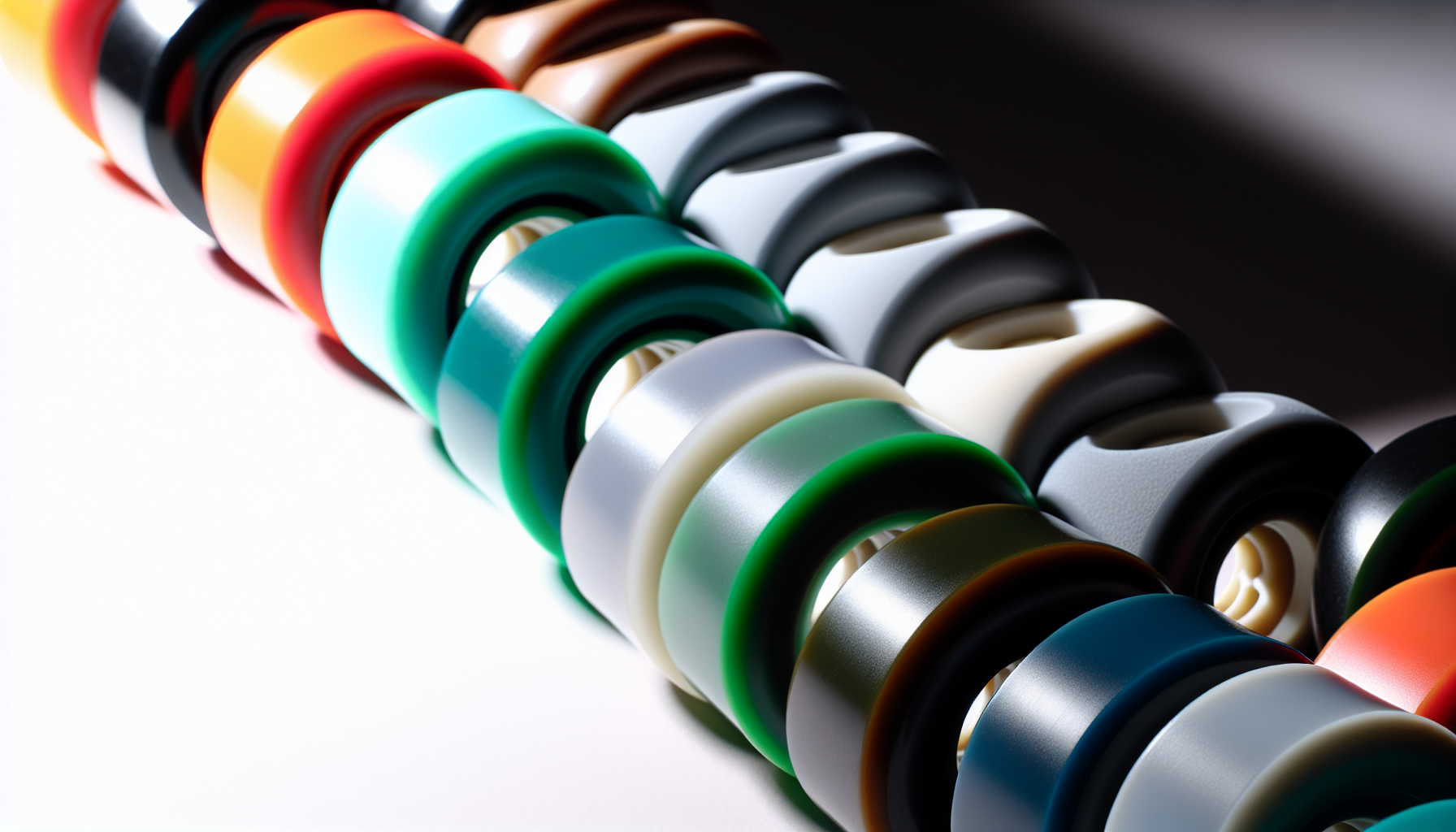
Consider your skateboard’s wheels as its pulse. They determine your speed, your grip on the surface, and the overall feel of your ride. If you’re a beginner skater, consider starting with medium durometer wheels, as they work great for street skating on rough surfaces.
The size of the wheels also matters; smaller wheels offer slower rides with tighter turns, while larger wheels provide faster rides suitable for different terrains. So, remember, the right wheels can make your ride as smooth as butter!
Grip Tape and Stability
Grip tape is like the glue that keeps you attached to your skateboard. It’s a rough sandpaper-like material stuck on the top of your skateboard. Offering a solid grip, grip tape assists novice skaters in feeling balanced on the board, setting the stage for trick experimentation.
When selecting grip tape, ensure it’s the right size for your deck and has the right amount of grit for the kind of skating you’ll be doing. With grip tape, you’re not just sticking to your board; you’re sticking to your commitment to mastering skateboarding!
Gear Up with the Essential Protective Equipment
While skateboarding is enjoyable, it does carry some risks. Hence, equipping yourself with the necessary protective gear is of utmost importance. Imagine your protective gear as your superhero costume. It shields you from potential injuries, giving you the confidence to push your limits and enjoy the ride.
Your helmet is your crown, your knee pads are your armor, and your wrist guards are your gauntlets. When you gear up, you’re not just preparing for a ride; you’re preparing to conquer the skate park!
Helmet: Your First Line of Defense
Your helmet is more than a piece of gear; it’s your first line of defense. Wearing a helmet is fundamental in preventing serious injuries. It’s your crown that protects your most valuable asset – your head.
When choosing a helmet, ensure it fits properly and is certified for skateboarding use. Remember, a well-fitted helmet can be the difference between a minor tumble and a trip to the emergency room.
Pads and Guards: Shielding the Extremities
While your helmet protects your head, pads and guards shield your extremities. Knee and elbow pads, as well as wrist guards, are crucial in preventing scrapes and bruises, and they can also lessen the impact of falls. Investing in quality pads and guards can make your skateboarding journey less painful and a lot more fun.
After all, every superhero needs their armor!
Mastering the Basics: Standing and Pushing Off
Acquiring the essentials of standing and pushing off on a skateboard parallels the experience of learning to walk prior to running. It’s the foundation that every other skateboarding skill is built upon. When you’re just starting out, positioning your feet over the trucks and finding the right stance are key to maintaining balance and control.
It’s these fundamentals that will pave the way for your future tricks and maneuvers.
Discovering Your Stance: Regular or Goofy
Just like being left-handed or right-handed, every skateboarder has a natural stance – either regular (left foot forward) or goofy (right foot forward). Determining your stance early on, with a slight angle, can help ensure proper foot placement and balance on the board, allowing you to be on the front foot when it comes to mastering your skateboarding skills.
It can be as easy as noticing which foot you naturally put forward when you step onto your board.
The Art of Balance: Standing on the Board
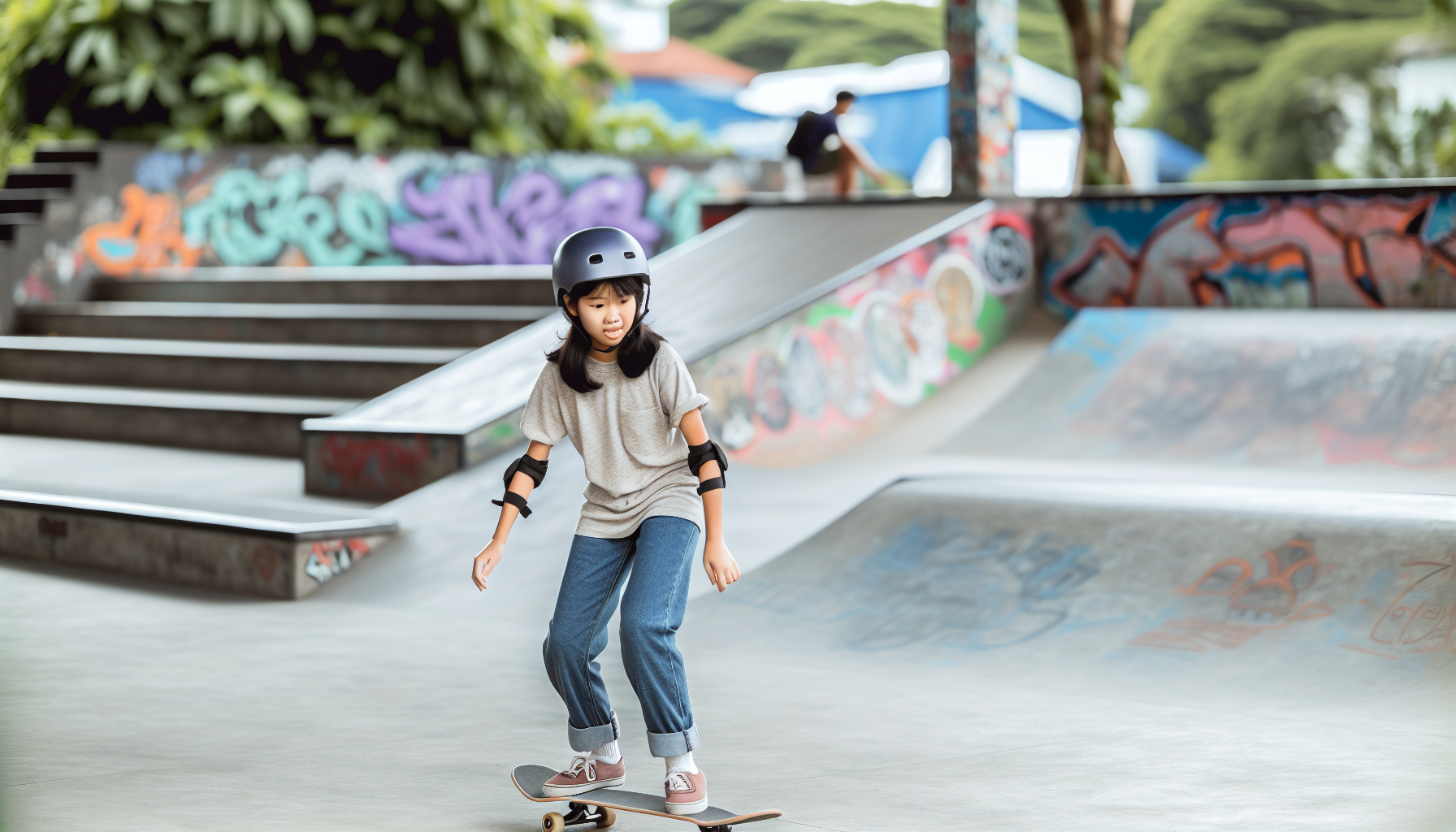
Standing on a skateboard isn’t as simple as it might seem. It’s an art of balance. Your body alignment, the position of your feet, and the distribution of your weight all contribute to how well you balance on your board. By practicing standing on your board and maintaining balance before you take off, you’re setting yourself up for a successful ride.
The Initial Push: Setting into Motion
The act of pushing off on a skateboard can be likened to a car’s ignition, propelling you into motion. The initial push-off requires proper foot placement, balance, and body alignment. It’s not just about the pushing foot against the ground but also about shifting your weight appropriately to keep your balance as you glide away.
Steering and Turning: Learning to Navigate
Steering and turning are like the steering wheel of your skateboard. They allow you to navigate your path, dodge obstacles, and make your ride smooth and enjoyable. By adjusting your body alignment and transferring your weight, you can effectively steer your board and make precise turns.
Body Alignment and Weight Transfer
Just as a car responds to a turn of the steering wheel, your skateboard responds to shifts in your body alignment and weight. How you position your body and where you place your weight can significantly affect your ability to steer and turn.
By practicing these movements, you can learn to navigate your skateboard with precision and ease.
Adjusting Trucks for Personal Preferences
Your skateboard trucks are like the shock absorbers of your ride. They can be adjusted to suit your personal preferences for stability and turning ability. By tightening or loosening your trucks, you can customize your board to fit your preferred skateboarding style and enhance your performance.
How to Stop Safely: Braking Techniques for Beginners
Learning to halt safely on a skateboard holds equal importance to mastering the starting techniques. Knowing how to brake effectively can help you control your speed, avoid accidents, and navigate your surroundings with confidence.
By mastering braking techniques like foot braking and tail scrapping, you can ensure a safer and more controlled ride.
Foot Braking: Slowing Down Gradually
Foot braking is like the brake pedal of your skateboard. It’s a technique that allows you to slow down gradually by dragging your back foot on the ground. By practicing foot braking, you can gain better control of your speed and ensure a smooth and safe ride.
Tail Scrapping: Quick Stops
Tail scrapping is another effective braking technique that can help you make quick stops when necessary. By pressing down on your board’s tail and creating friction against the ground, you can bring your skateboard to a quick halt. It’s a handy technique to have up your sleeve for those unexpected moments when you need to stop fast.
Practice Makes Perfect: Building Basic Skills
Similar to other sports, skateboarding necessitates consistent practice. By consistently practicing your pushing, riding, and simple tricks like the tic-tac, you can gradually build your basic skills and improve your skateboarding performance. Remember, every pro was once a beginner, and it’s the persistent practice that makes perfect.
Pushing and Riding with Confidence
Pushing and riding with confidence is like the fuel that propels your skateboard. It allows you to ride smoothly, perform tricks, and navigate your surroundings. By practicing pushing and riding regularly, you can build a strong foundation in skateboarding and take your skills to the next level.
Simple Tricks to Start: The Tic-Tac
Starting with simple tricks like the tic-tac can significantly boost your skateboarding skills. The tic-tac is a basic trick that involves shifting your weight and turning your skateboard from side to side.
By mastering this trick and following some skateboarding tips, you can improve your balance, control, and overall skateboarding performance.
Overcoming Common Challenges for New Skaters
For a novice skater, facing hurdles such as apprehension of falling and maintaining balance is commonplace. However, don’t let these challenges deter you. By practicing safe falling techniques, wearing protective gear, and focusing on maintaining balance and control, you can overcome these common hurdles and enjoy your skateboarding journey.
Dealing with the Fear of Falling
Falling is part of the skateboarding journey. It’s not about avoiding the falls, but learning to fall safely. Practicing safe falling techniques and wearing protective gear can significantly reduce your fear of falling.
Remember, every fall is a lesson that brings you one step closer to becoming a better skater.
Maintaining Balance and Control
Maintaining balance and control on your skateboard is like the driver’s seat of your ride. It determines how well you can navigate your path, perform tricks, and avoid falls. By practicing proper foot placement, body alignment, and weight distribution, you can maintain balance and control on your board and enjoy a smooth and safe ride.
Finding Your Skating Style and Community
Skateboarding transcends being merely a sport; it represents a way of life. To start skateboarding, discovering your preferred skating style and engaging with the skateboarding community can greatly enhance your enjoyment and progression in the sport.
Whether you’re a street skater, a park skater, or a cruiser, finding your unique style can make your skateboarding journey more fulfilling.
Identifying Your Preferred Skating Style
Your skating style is like your signature. It’s a reflection of your personality, your preferences, and your approach to skateboarding. Whether you prefer the street, the park, or just cruising around, identifying your preferred skating style can guide your practice and equipment choices and make your skateboarding journey more enjoyable.
Engaging with Other Skaters
The skateboarding fraternity comprises a dynamic, supportive collective sharing a unifying passion. Engaging with other skaters can provide you with invaluable advice, support, and camaraderie.
It can also allow you to learn from more experienced skaters, get inspired, and share your skateboarding journey.
Summary
In conclusion, skateboarding is a thrilling sport that offers endless fun and excitement. From choosing your first skateboard, mastering the basics, and learning to stop safely, to practicing simple tricks, every step in your skateboarding journey is a learning experience. As you continue to practice and engage with the skateboarding community, you’ll develop your skills, discover your unique skating style, and most importantly, enjoy the ride!
Frequently Asked Questions
How should a beginner learn to skateboard?
As a beginner, start by practicing balance before anything else, as it’s crucial in skateboarding. Once you feel comfortable standing on the board, practice pushing off and turning, and consider investing in safety gear.
How do you balance a skateboard for beginners?
To balance a skateboard as a beginner, practice on flat ground, keep your center of gravity low, work on foot placement, and try balancing with one foot at a time. Remember to switch your stance for better control.
What to do first week skateboarding?
Focus on practicing your balance and getting comfortable with standing on the board before trying any movement. It’s crucial for getting the hang of skateboarding. And then, you can start to work on basic movements and tricks.
How do I get better at skateboarding?
To get better at skateboarding, make sure you have the right equipment, practice in a safe area, learn basic moves, practice falling correctly, strengthen your body, and enjoy the learning process. Keep at it, and you’ll see improvement in no time!
What are some good ways to build confidence in skateboarding?
The best way to build confidence in skateboarding is through regular practice, learning to fall safely, and gradually improving your skills. This will help you feel more comfortable on the board.